

Electronics Maker
  • Home
  • Electronics News
  • Articles
  • Magazine
  • Events
  • Interview
  • Electronics Projects
No Result
View All Result
  • Home
  • Electronics News
  • Articles
  • Magazine
  • Events
  • Interview
  • Electronics Projects
No Result
View All Result
Electronics Maker
No Result
View All Result
Home Electronics News

High density power is needed to keep pace with projected 20X growth in New Space

Electronics Maker by Electronics Maker
January 7, 2022
in Electronics News
0
0
SHARES
109
VIEWS
Share on FacebookShare on Twitter
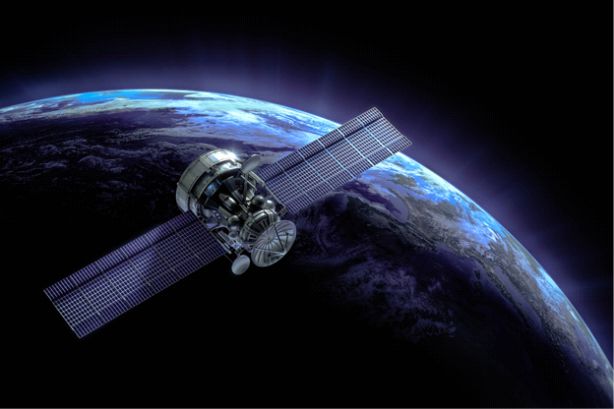
Innovations in power can help LEO and MEO satellites keep pace with their expected 20x growth in New Space. Vicor’s radiation tolerant power modules are five times more power dense than today’s standards products and can reduce power losses by 50%.

Satellite manufacturers competing in the “New Space” arena are tasked with providing solutions that will enable a 20X increase in internet bandwidth over the next 10 years. The challenges to designing, developing and launching satellites to meet this demand are enormous. One major hurdle is the dueling requirements for shrinking satellite size while concurrently improving throughput. One of the most difficult problems to solve is powering advanced, high-current communications ASICs. To achieve this leap in throughput demand, satellite power designers must deliver 20X-30X more current to the load than legacy systems can provide, while simultaneously reducing the size, weight, and cost of the power deliver network (PDN). These requirements will forever be at odds and will continue to escalate in the foreseeable future.

Vastly improved power density helps solve this problem for New Space low-earth-orbit (LEO) and mid-earth-orbit (MEO) satellites in the form of power modules that deliver high current for today’s AI-driven computing environments. Combined with demonstrated radiation tolerance, they are a perfect fit for the critical needs for the burgeoning LEO and MEO satellite market. With a 100V to 0.8V solution that is five times more power dense than the next best competitor, and an efficiency that provides up to a 50 percent reduction in power losses, this new generation of PDNs provides unparalleled capability for developers of satellite communication systems who need to reduce size, weight and cost to meet stringent mission requirements.

Electronics Maker

Electronics Maker

Subscribe Newsletter

Subscribe to our mailing list to receives daily updates direct to your inbox!

*we hate spam as much as you do

Electronics Maker

It is a professionally managed electronics print media with highly skilled staff having experience of this respective field.

Subscribe Newsletter

Subscribe to our mailing list to receives daily updates direct to your inbox!

*we hate spam as much as you do

Quick Links

  • »   Electronics News
  • »   Articles
  • »   Magazine
  • »   Events
  • »   Interview
  • »   About Us
  • »   Contact Us

Contact Us

EM Media LLP
  210, II nd Floor, Sager Plaza – 1, Road No-44,, Plot No-16, Pitampura, New Delhi - 110034
  01145629941
  info@electronicsmaker.com
  www.electronicsmaker.com

  • Advertise with Us
  • Careers
  • Terms Of Use
  • Privacy Policy
  • Disclaimer
  • Cookie Policy

© 2020 Electronics Maker. All rights reserved.

No Result
View All Result
  • Home
  • Electronics News
  • Articles
  • Magazine
  • Events
  • Interview
  • Electronics Projects

© 2020 Electronics Maker. All rights reserved.